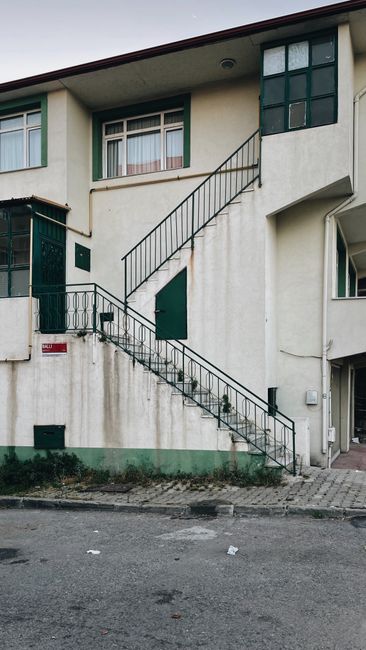
Stanmore flats rubbish removal access tips for tight stairs
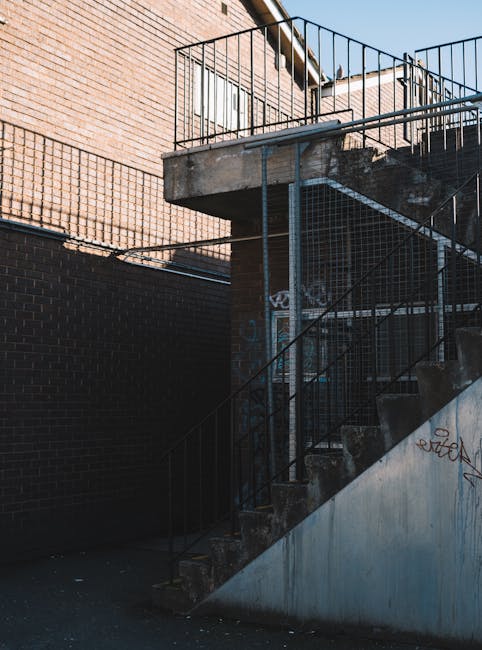
If you live in a Stanmore flat with a narrow staircase, awkward landing, or a door that barely opens fully, rubbish removal can feel more complicated than it should. One bulky chair, a mattress, or a broken fridge can turn into a slow, sweaty job by the time you're halfway down the stairs. The good news is that Stanmore flats rubbish removal access tips for tight stairs are mostly about planning well, measuring properly, and choosing the right removal method before anything gets dragged, scratched, or stuck.
This guide walks through what matters, how the process usually works, and the small access details that save time, hassle, and damage. Whether you're clearing a one-bed flat, getting rid of old furniture, or organising a fuller property clearance, the aim is the same: make the job safer, smoother, and far less stressful. Simple enough in theory. In real life, though, stairs have a funny way of making even a light job feel like a scene from a bad moving day.
Why Stanmore flats rubbish removal access tips for tight stairs Matters
Access is the hidden part of rubbish removal. People often focus on what needs to go, but the real friction comes from how it leaves the building. In Stanmore, as in many London flats, staircases can be steep, narrow, curved, or cluttered with railings and turns that make lifting awkward. One wrong move and you can end up with scuffed walls, strained backs, or a sofa wedged at an angle nobody predicted.
This matters for a few reasons. First, it affects safety. Carrying heavy items down tight stairs increases the risk of slips, bumps, and sudden drops. Second, it affects time. A straightforward clearance can drag on if the team has to keep re-positioning items or switching routes. Third, it affects cost and communication. If access is not described properly at the start, the crew may arrive expecting an easy lift and find a staircase that demands more time, more care, and sometimes more than one person per item.
There is also the practical side for neighbours and landlords. Flats are shared spaces, so noise, blocked landings, and repeated trips can become a nuisance pretty quickly. A bit of planning keeps the corridor clear and the job moving. To be fair, most access issues are not dramatic on their own; they only become a problem when nobody prepares for them.
If you are arranging a wider property emptying rather than just a single bulky item, services such as flat clearance or broader home clearance can be a better fit than trying to tackle each item one by one.
How Stanmore flats rubbish removal access tips for tight stairs Works
The process is usually simple, but the planning stage makes all the difference. The aim is to match the item, the staircase, and the removal method before the collection starts. When the access route is tight, the team may need to carry items in a different way, split loads, remove obstacles first, or use additional manpower. Sometimes the quickest route is not the most obvious one.
In practice, access planning usually follows this pattern:
- Identify the items - note what needs removing, how many pieces there are, and whether anything is unusually heavy, fragile, or awkwardly shaped.
- Check the route - look at hallway width, stair turns, low ceilings, bannisters, and any tight points where carrying could become difficult.
- Clear the path - move shoes, small furniture, bags, and anything else that could snag a foot or block a grip.
- Decide the removal method - one-person lift, two-person carry, dismantling first, or alternative routing if available.
- Set expectations - be honest about parking, floor level, lift access if there is one, and whether items are already bagged or boxed.
The more precise the access information, the easier it is to quote accurately and bring the right equipment. This is especially helpful for mixed loads, like old furniture plus general rubbish, or a flat that has both household waste and specialist items. If you have appliances in the mix, the right handling matters even more, so a page like fridge and appliance removal is worth a look when you are planning the job.
There is no magic trick here. It is mostly disciplined prep, honest communication, and good lifting practice. Small things, but they stack up fast.
Key Benefits and Practical Advantages
When tight stairs are handled properly, the benefits show up straight away. It is not just about getting the rubbish out. It is about doing it without turning the stairwell into a collision course.
- Less risk of damage - tighter turns mean more chances to scrape walls, chip paint, or mark banisters, so planning reduces expensive repairs.
- Faster collections - a clear route and accurate item list let the team work methodically instead of stopping every few minutes to rethink the route.
- Safer lifting - knowing the access conditions helps crews decide whether an item should be carried by two people, broken down first, or handled differently.
- Better pricing accuracy - when access details are clear, quotes tend to be more realistic and fewer surprises appear on the day.
- Less stress for residents - quiet, efficient movement through shared areas is better for you, your neighbours, and the building overall.
There is also a subtle benefit that often gets missed: confidence. Once you know the route has been checked and the item can fit, the whole job feels manageable. That alone can be a relief. Honestly, that matters more than people admit.
Who This Is For and When It Makes Sense
This approach is useful for anyone dealing with rubbish removal in a flat where the staircase is less than generous. That could be a top-floor walk-up, a converted house split into flats, or a purpose-built block where the stairs are narrow but the lift is out of action. The issue is not limited to big clearances either. Even one sofa, mattress, or washing machine can be awkward if the route is tight.
It makes sense if you are:
- moving out of a rented flat and need quick clearance before handover
- disposing of old furniture that will not make the turn on the landing
- clearing a property after renovation or decorating work
- sorting through a loft, storage area, or under-stairs pile-up
- dealing with mixed household waste that has become too much for ordinary bins
It also helps if your building has shared access rules, limited parking, or strict quiet hours. In those cases, a bit of forward planning is not optional. It is the difference between a tidy collection and a messy one. If the job is part of a bigger property clean-out, house clearance can be a sensible route for larger volumes, while furniture clearance may fit better when the main issue is bulky items.
Step-by-Step Guidance
Here is a practical way to handle rubbish removal in Stanmore flats when the stairs are tight. Nothing fancy. Just a solid sequence that avoids the usual headaches.
- Walk the route first
Stand at the front door and follow the exact path the item will take. Check the corners, the landings, and the tightest point. If you have to turn sideways at one point, that is worth noting immediately. - Measure the awkward bits
Height, width, and diagonal clearance all matter. A wardrobe or sofa may look manageable until you notice the handrail cuts into the usable space. Measure the item and the stairwell, not just the doorway. - Remove loose obstacles
Move coat stands, runners, small tables, plant pots, shoes, and anything else that can catch a toe or reduce turning space. A clear stairwell makes a bigger difference than people expect. - Check for dismantling opportunities
Some items are easier to remove in sections. Bed frames, flat-pack furniture, shelving units, and certain wardrobes may come apart safely, which can save a lot of effort on tight stairs. - Group items by handling difficulty
Put the easiest pieces together and isolate the awkward ones. That way, the team can move in a logical order rather than juggling random items at the landing. - Tell the removal team the honest version
Say if the stairs are steep, if there is a curve, if the lift is broken, or if parking is limited. It is much better to sound a little over-cautious than to discover a problem at the front door. - Protect the route
If needed, place temporary protection on wall corners or vulnerable surfaces. Even a careful lift can brush a painted edge. It happens. - Keep the exit clear on collection day
Do not leave bags stacked in the hallway or bikes leaned against the banister. The route should stay open from start to finish.
A simple rule helps: if an item feels like a difficult angle in your head, it probably will be on the stairs too. Better to plan for awkward than to improvise halfway down. That never ends as well as people hope.
Expert Tips for Better Results
A few field-tested habits can make a tight-stair clearance much smoother. These are the small details that experienced crews pay attention to, and they are often the difference between a neat job and a tiring one.
Use the shortest possible carrying line
Keep the route direct. Every extra turn adds risk, especially with heavy or oversized items. If there is a side door, rear access point, or a different route through the building, compare it before committing to the stairs.
Take the item at the right angle
Sometimes a sofa goes through when tipped slightly, and sometimes it does not. The angle matters. A good team will test the best orientation before forcing anything. Forcing is where damage starts, usually with a horrible scraping sound nobody enjoys hearing.
Match item size to the staircase geometry
On paper, a 75cm-wide object may seem fine. On a curved stairwell with a rail and overhead light fitting, the usable space can be much less. Real access is not just about width; it is about shape, obstruction, and turning room.
Do the heavy items first if the route is still clear
That can save time and prevent the stairwell from filling up with smaller bits that make movement awkward. A clear route tends to stay clear only if you keep it that way.
Use proper gloves and grip, but do not rely on them alone
Good gloves help with friction and control, yet they do not replace safe lifting technique. A strong grip is useful; a sensible plan is better.
If the flat contains confidential paperwork as well as general waste, it can be practical to separate those items before collection and consider confidential shredding for the sensitive material. Different waste streams need different handling, and mixing them is one of those easy mistakes that creates extra work later.
Common Mistakes to Avoid
Most access problems are preventable. The tricky part is that the same mistakes keep showing up, usually because people underestimate just how awkward a flat staircase can be.
- Not measuring properly - guessing is how items get stuck. Measure the item and the route, not just the room.
- Leaving the hallway cluttered - even small obstacles slow everything down and make trips less safe.
- Ignoring door swing and landing space - a door can reduce the usable width more than expected when fully opened.
- Forgetting about shared access - bins, pushchairs, and neighbour items can create a bottleneck in communal areas.
- Assuming one person can handle everything - some items really do need two people. No shame in that at all.
- Not mentioning awkward items in advance - appliances, exercise equipment, and oversized furniture can change the plan.
- Mixing general rubbish with hazardous materials - items such as solvents, chemicals, or certain electrical components may need separate handling under waste rules.
One more thing: do not leave the hard work until the last minute. If you are moving out, the final day is already busy enough without a last-second panic over a mattress wedged on the stairs. That is not a fun way to spend a Thursday evening.
Tools, Resources and Recommendations
You do not need specialist kit for every flat clearance, but a few practical tools make the job easier and safer. The goal is less brute force, more control.
- Tape measure - essential for checking stair width, item depth, and turning space.
- Work gloves - useful for grip and hand protection, especially with rough cardboard, old wood, or metal edges.
- Straps or carrying aids - helpful for bulky items when handled by trained people.
- Furniture covers or blankets - good for protecting both the item and the stairwell.
- Marker labels - handy if you are sorting what stays, what goes, and what needs separate disposal.
- Sack bags and strong boxes - ideal for loose rubbish, papers, and mixed lighter waste.
For anything more complicated, especially if the job includes a mix of furniture and general waste, it is worth comparing the service scope on pages like waste removal and mattress and sofa disposal. Those pages help clarify what type of item fits which collection style.
If you are planning a larger clean-out and want to understand how items are handled and recycled, recycling and sustainability is a useful page to read alongside the removal plan. It is often the bit people overlook, though it really should not be.
Law, Compliance, Standards, or Best Practice
Rubbish removal in flats is not only a logistics issue. There are also common UK expectations around safety, responsible waste handling, and preventing nuisance in shared buildings. The exact legal details can vary by waste type and circumstance, so it is best to treat the following as practical best practice rather than formal legal advice.
In general, a sensible removal process should follow these principles:
- Safe manual handling - lifting should be planned, not improvised, especially on stairs.
- Responsible waste segregation - general waste, electrical items, confidential material, and hazardous waste should not all be treated the same way.
- Consideration for shared spaces - keep communal hallways, entrances, and stairwells as clear as possible.
- Appropriate disposal routes - specialist items should go through suitable handling channels instead of being mixed into ordinary loads.
- Insurance awareness - professional operators should be clear about safety and insurance arrangements, especially where tight access increases the risk of knocks or damage.
If you want to understand a provider's approach to protection and risk, it is sensible to review health and safety policy and insurance and safety. Those pages help build confidence that the work is being done with care, not just speed.
For sensitive waste streams or items that may need special treatment, hazardous waste disposal is also relevant. It is better to check first than to assume a material can go out with ordinary rubbish.
Options, Methods, or Comparison Table
Different flats and different loads need different approaches. Here is a straightforward comparison to help you choose the most practical option for tight stairs in Stanmore.
| Method | Best for | Pros | Watch-outs |
|---|---|---|---|
| Manual carry down stairs | Small to medium items, good access, quick collections | Simple, direct, flexible | Can be slow or risky with very tight turns |
| Dismantling before removal | Wardrobes, bed frames, shelving, some sofas | Easier on stairs, reduces damage risk | Takes preparation time and the right tools |
| Grouped flat clearance | Multiple rooms, end-of-tenancy, full flat clear-outs | Efficient for larger jobs, fewer separate visits | Needs clearer planning and route control |
| Specialist item removal | Appliances, mattresses, bulky single items | Better handling for awkward or regulated items | May require item-specific preparation |
For many Stanmore flats, the best answer is a combination of methods. A mattress might be carried whole, a wardrobe might need dismantling, and the rest might go in bags or boxes. That mix is normal. It is not messy planning; it is smart planning.
Case Study or Real-World Example
Imagine a typical two-bedroom flat in Stanmore, top floor, no lift, with a narrow stairwell that turns sharply halfway down. The resident needs to clear an old sofa, a broken chest of drawers, several bin bags, and a fridge that has been sitting in the kitchen for far too long. Nothing outrageous, but enough to be awkward.
The first step is a simple access check. The sofa appears to be the biggest challenge because of the landing turn. Rather than forcing it down intact, the crew would usually assess whether the legs, feet, or base can be removed first. The chest of drawers is lighter, so it becomes a second-trip item. The bin bags are grouped and carried separately so they do not block the route. The fridge is treated as a specialist item and handled carefully, because appliance weight and shape can surprise people on stairs.
What makes this job run smoothly is not speed alone. It is the sequence. The hallway is kept clear, the stair corners are protected, and heavier items are moved while the route is still fresh. By the end of the collection, the flat is clear and the stairs are not left battered. Everyone breathes easier. A small victory, maybe, but one that genuinely matters on moving day.
If that kind of mixed load sounds familiar, a combination of flat clearance and fridge and appliance removal is often a more sensible route than trying to manage each item in isolation.
Practical Checklist
Use this checklist before collection day. It keeps the job tidy and helps avoid that last-minute, slightly frantic shuffle around the hall.
- Measure the stair width, landing turns, and any narrow doorways.
- List every item to be removed, including awkward or heavy pieces.
- Check whether anything can be dismantled safely in advance.
- Clear shoes, bags, runners, and loose clutter from the route.
- Tell the removal team about steep stairs, curves, low ceilings, or broken lifts.
- Separate general waste from confidential, electrical, or hazardous items.
- Reserve parking or note any access restrictions if needed.
- Keep communal areas clear on the day.
- Protect corners, banisters, and floors where sensible.
- Make sure keys, entry codes, or flat access arrangements are ready.
Expert summary: the best Stanmore flat clearances are usually the calm, boring-looking ones. Good measurements, honest access details, and a clear route beat improvisation every time. That is the real trick.
Get a free quote today and see how much you can save.
Conclusion
Stanmore flats rubbish removal access tips for tight stairs come down to a simple idea: respect the route as much as the rubbish. If the staircase is narrow, steep, curved, or cluttered, the collection should be planned around that reality from the start. Measure carefully, clear the pathway, identify awkward items early, and choose the removal method that fits the building rather than the other way round.
That approach saves time, reduces damage, and makes the whole job feel far more manageable. It also gives you a better chance of a smooth handover if you are moving out or clearing a property under time pressure. And truth be told, a calm clearance day is worth quite a lot.
If you are dealing with a difficult flat, a bulky item, or a mixed clearance that needs a bit more care, start with the access details and work from there. The stairs may be tight, but the plan does not have to be.
Frequently Asked Questions
How do I know if my sofa will fit down a tight staircase?
Measure the sofa's height, width, and depth, then compare those figures with the narrowest point of the staircase, including the landing turn and banister clearance. If it looks marginal on paper, it usually is. A slight angle can help, but not always.
What should I tell the rubbish removal team before they arrive?
Tell them the floor level, stair width, whether there is a lift, any sharp turns, parking restrictions, and whether the items can be dismantled. The more honest the description, the smoother the collection will be.
Can rubbish removal still work if the lift is broken?
Yes, often it can, but tight or long stair routes may require more time and care. Heavy or bulky items might need extra planning or a different approach, so it is best to mention the lift issue well in advance.
Is it better to dismantle furniture before moving it down stairs?
Usually yes, if dismantling can be done safely and without damaging the item or the building. Taking legs off, removing doors, or splitting bed frames can make a big difference on narrow staircases.
What if the hallway is very narrow as well as the stairs?
That makes route planning even more important. Clear the hallway completely, check doorway swing, and group the items so the team can move in a clean sequence instead of juggling loose clutter in the corridor.
Do I need a special service for a fridge or washing machine in a flat?
Specialist appliance handling is often a better idea than treating these items like ordinary rubbish. They are awkward, heavy, and more likely to cause damage if the access route is tight. Appliance-specific removal is the safer bet.
How can I avoid damaging the walls on narrow stairs?
Use blankets or protective coverings on corners where needed, keep the route clear, and make sure items are carried at the correct angle by people who can control the load. Slow, careful movement is usually safer than trying to rush.
What types of waste should not be mixed with general rubbish?
Hazardous items, confidential paperwork, and certain electrical or specialist materials should be handled separately. If you are unsure, it is better to check first rather than place everything into one mixed pile.
Is flat clearance different from ordinary rubbish removal?
Yes. Flat clearance usually covers a broader range of items from across the property, while ordinary rubbish removal may focus on general waste or single loads. For tight stairs, a broader clearance can sometimes be more efficient because the route is planned once for the whole job.
How do I prepare a Stanmore flat for rubbish collection when access is tight?
Measure the route, clear clutter, identify any dismantling work, and tell the team about any difficult turns or restrictions. If you have bulky furniture or appliances, flag them early so the right handling can be planned.
What is the biggest mistake people make with tight-stair rubbish removal?
The biggest mistake is underestimating the access. People often focus on the item and forget the route. Once the route is measured properly, most of the surprises disappear.
Can a small flat still need professional rubbish removal?
Absolutely. Small flats often have the tightest access of all, and even a single mattress or sofa can be awkward. Professional help becomes especially useful when stairs, shared hallways, or heavy items make the job more difficult than expected.
When is the best time to book rubbish removal for a flat with narrow stairs?
Book as early as you can, especially if you are moving house or working to a deadline. Early booking gives you more flexibility, more time to prepare the route, and a better chance of avoiding the last-minute rush that makes everything feel harder.