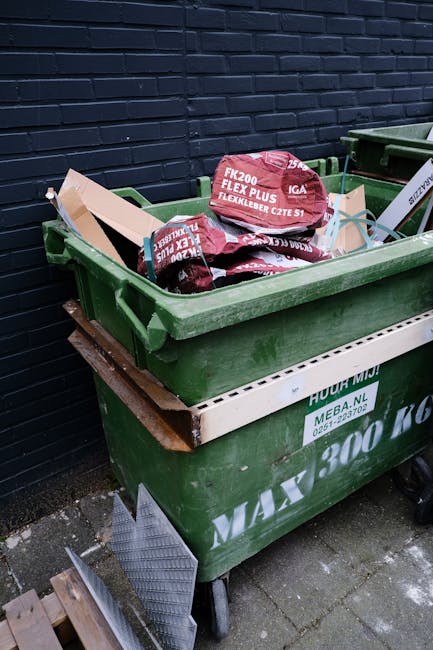
Pinner skip alternative rubbish removal solutions: smarter ways to clear waste without a skip
If you are trying to clear rubbish in Pinner, a skip is not always the easiest answer. Parking can be awkward, drive space may be tight, and some jobs simply do not justify a bulky metal container sitting outside for days. That is where Pinner skip alternative rubbish removal solutions come in. These options can be quicker, neater, and often more practical for homes, flats, landlords, shops, and building projects.
In real life, waste builds up in messy little bursts: a loft purge at the weekend, a garden clear after a windy spell, or a shop refit that suddenly leaves cardboard, fixtures and broken fittings everywhere. You need a solution that fits the job, not one that creates a second problem. This guide walks through the main alternatives to skips, when they make sense, how they work, and what to check before you book anything.
Why Pinner skip alternative rubbish removal solutions Matters
Skip hire still has its place, of course. But plenty of Pinner properties are simply not ideal skip sites. Think narrow roads, shared forecourts, controlled parking, basement access, or flats with limited external space. In those situations, a skip can be inconvenient before you have even filled it.
Skip alternatives matter because they solve the common frustrations people actually face: no driveway, no permit headache, no long wait for collection, and no need to lift waste over a skip wall. If you are working from a first-floor flat, a terrace with no front garden, or a business premises that has to stay tidy for customers, this becomes more than a preference. It becomes the sensible option.
Another reason this topic matters is waste type. Not everything fits neatly into a general skip. Some items need handling with extra care, such as appliances, mattresses, confidential paperwork, or materials that could count as hazardous waste. A flexible rubbish removal service can separate the load properly, which is a lot less stressful than discovering halfway through that your waste mix is not ideal for a skip. Annoying, yes. Common, too.
For many people, the real value is simple: less disruption. A crew can come in, load the waste, sweep up, and be gone the same day. There is something reassuring about that. No metal box outside for a week. No guessing whether the driver can access your street. Just the place cleared and your day back on track.
How Pinner skip alternative rubbish removal solutions Works
Most skip alternatives follow a straightforward process. You describe what needs removing, agree the likely volume or load type, and arrange a collection slot. The team arrives, does the lifting, loads the waste, and takes it away for sorting, reuse, recycling, or disposal.
In practice, this can take different forms:
- Man and van rubbish removal for general mixed household waste, small refurb jobs, and one-off clearances.
- Full property clearance for houses, flats, lofts, garages, and home moves where items are scattered across rooms.
- Specialist item removal for bulky pieces such as sofas, mattresses, white goods, or office equipment.
- Trade and builders waste clearance for renovation debris, packaging, timber, and mixed site waste.
A good provider will usually assess access first. That matters more than people think. Can the van stop nearby? Is there a lift? How many stairs? Is there a tight hallway or awkward basement turn? These small details decide how smooth the job feels on the day.
There is also the sorting side, which often happens after collection. Depending on the contents, waste may be separated for recycling and sustainability routes, donated where appropriate, or sent to licensed disposal facilities. If a service says "we take everything" but never explains what happens next, it is worth asking a few more questions. Better safe than sorry.
If you are comparing options, the website's general waste removal page is a useful starting point for understanding the wider service approach, while what can go in a skip helps you judge whether skip hire is even the right benchmark.
Key Benefits and Practical Advantages
Skip alternatives are not just a convenience. In the right situation, they are simply the better fit.
- Faster turnaround: collections can often be arranged quickly, which helps if you are mid-move or dealing with a sudden clear-out.
- Less disruption outside: no large skip blocking the road, driveway, or parking space.
- No permit stress in many cases: if nothing is left on the public highway, there may be less paperwork and fewer logistics to juggle.
- More help with lifting: you are not stuck loading everything yourself in the rain at 7am. That alone is worth something.
- Better for mixed loads: ideal when waste includes furniture, cardboard, garden cuttings, broken appliances, or a jumble of household items.
- Cleaner for sensitive jobs: end-of-tenancy clearances, estate clearances, office moves, and shop refits can be handled with more discretion.
There is also a practical cost angle. A skip can look cheaper at first glance, but if you need help loading it, need multiple collections, or end up paying for a bigger size than you use, the numbers shift. It is worth looking at the full picture rather than the headline price alone.
For bulky household items, you may also prefer a targeted service such as furniture disposal or mattress and sofa disposal. That can be much tidier than trying to squeeze an old armchair into a general mixed-waste plan.
Who This Is For and When It Makes Sense
This kind of rubbish removal is useful for a lot of people, but it is especially handy if you recognise one of these situations:
- Flat dwellers with limited outdoor space or shared access.
- Homeowners clearing lofts, garages, sheds, and spare rooms.
- Landlords and letting agents needing fast turnaround between tenancies.
- Office managers dealing with desks, chairs, packaging, and old equipment.
- Builders and tradespeople who need prompt site clearance without waiting around for a skip exchange.
- People handling bereavement or estate clearances who need a respectful, practical service.
It also makes sense where you have a narrow time window. Let's say you are handing keys back tomorrow, or the decorator is arriving at 8:00 on Monday morning. A skip may sit there too long or arrive at the wrong time. A collection service can slot into the day more neatly. Truth be told, that flexibility is often the deciding factor.
For different property types, related services may be more suitable. A flat clearance is usually the neatest option for apartment waste, while a house clearance or home clearance can make sense when multiple rooms need attention at once.
Step-by-Step Guidance
If you want the process to run smoothly, a little preparation goes a long way.
- Separate what is going. Keep rubbish, reusable items, and anything you want to keep in different piles. It sounds obvious. It rarely is, in the middle of a busy clear-out.
- Identify bulky or awkward items. Sofas, fridges, wardrobes, and broken appliances need special handling or at least a clear mention when booking.
- Check access. Note stairs, lift access, parking limits, alleyways, and whether someone needs to let the team in.
- Estimate the load honestly. Underestimating volume is a common mistake. A small pile can balloon very fast once pulled from a loft or garage.
- Ask about sorting and recycling. A reputable service should explain what happens to reusable or recyclable material.
- Confirm timing and any restrictions. If you need a same-day or next-day collection, say so early.
- Keep pathways clear. This speeds up the job and reduces the risk of damage or trips.
A simple pre-collection tidy can shave real time off the visit. You do not need to do the heavy lifting yourself, but it helps if the waste is gathered in sensible spots. One pile in the kitchen, another in the garage, and a third in the back garden is much easier than a treasure hunt through the house.
If you are arranging a more specialised clearance, it may be worth reading the relevant service page first, such as builders waste clearance, garden clearance, or garage clearance. That helps set expectations before the team arrives.
Expert Tips for Better Results
After enough clearances, a few patterns become obvious.
Tip one: group similar items together. Cardboard with cardboard, furniture with furniture, loose mixed waste in one area. It makes loading quicker and reduces the chance of usable items getting damaged.
Tip two: flag awkward waste before the day. Fridge units, old monitors, confidential files, paint tins, and damaged fixtures are the sorts of things that catch people out. If you are unsure, ask in advance rather than waiting until the van is outside. That is the moment when everyone suddenly remembers the broken freezer in the shed.
Tip three: don't leave everything to the last minute. A packed hallway and a dozen boxes still in the loft will slow the job down. Even 20 minutes of sorting the night before can make the morning feel calmer.
Tip four: choose the right service level. For a single mattress, you probably do not need a full house clearance. For a post-renovation mess with plasterboard, timber offcuts, and packaging, you may need a more comprehensive rubbish removal visit.
Tip five: ask about safety and insurance. This is not just admin fluff. If heavy items need carrying down stairs or through tight communal spaces, you want the work done carefully. The site's insurance and safety information is worth checking if you want reassurance on handling and process.
Expert summary: The best skip alternative is usually the one that matches access, waste type, and timing. If any one of those three is awkward, a collection-based rubbish removal service often wins on practicality.
Common Mistakes to Avoid
Most problems are avoidable, which is the good news. The bad news? People keep making the same few mistakes.
- Booking the wrong service for the waste type. A garden waste job is not the same as appliance disposal or office shredding.
- Guessing the volume too loosely. "A few bits and pieces" sometimes turns into half a roomful.
- Forgetting access details. A van cannot magic itself through a locked courtyard or down a blocked alley.
- Mixing hazardous items into general waste. If something may need specialist handling, say so early.
- Not checking what can be reused or recycled. You may be throwing away items that could be diverted more sensibly.
- Assuming every service covers every item. Appliance removal, mattresses, confidential waste, and hazardous materials often require separate handling.
One small but common issue is forgetting about the hidden waste. A room looks tidy, then someone opens a cupboard and finds three old printers, tangled cables, and a broken fan. Happens all the time. So do a last sweep.
If you are dealing with business premises, it helps to check business waste removal and office clearance options, especially if there is furniture, paperwork, or IT equipment mixed in.
Tools, Resources and Recommendations
You do not need a complicated toolkit for a good clearance, but a few simple things make life easier.
- Heavy-duty sacks or boxes for loose waste and small breakables.
- Marker labels if you want to separate keep, donate, and remove piles.
- Gloves and sturdy shoes for safe sorting before the team arrives.
- Basic measuring estimate for wardrobes, piles, and awkward bulk items.
- Phone photos to send when asking for a quote or confirming what needs taking away.
For readers comparing services, pricing and quotes is a practical page to review before booking. If you want to understand how items are separated and what tends to be diverted for recovery, the site's recycling and sustainability page is also relevant.
And if you are clearing unusual items, these pages help narrow things down without overcomplicating the decision: fridge and appliance removal, furniture clearance, and hazardous waste disposal.
Law, Compliance, Standards, or Best Practice
Waste removal in the UK is not just a matter of chucking things into a van and hoping for the best. The sensible standard is simple: waste should be handled responsibly, transported properly, and taken to licensed facilities where required. If a service cannot clearly explain what happens to the waste, that is a warning sign.
From a customer point of view, the safest best practice is to choose a provider that can explain handling, sorting, and disposal in plain English. You are not expected to know the legal machinery behind every collection, but you are entitled to ask basic questions. Who carries the waste? How is it processed? What happens to recyclable or restricted items? Reasonable questions, all of them.
Special items deserve special attention. Confidential paperwork should be treated differently from general rubbish. Appliances may need careful removal. Some materials can be hazardous or contaminated. If in doubt, separate them and ask before collection. That one habit prevents a lot of trouble.
There is also a practical safety angle. Heavy lifting, sharp edges, dust, mouldy items, and tight stairwells are part of the job on some clearances. For that reason, it is worth checking a provider's safety approach and asking whether the crew is insured. A well-run operation should be able to reassure you without sounding vague or defensive.
Options, Methods, or Comparison Table
Here is a simple comparison to help you choose between the most common options.
| Option | Best for | Strengths | Limitations |
|---|---|---|---|
| Skip hire | Large, steady volumes of inert or mixed waste | Good if you can load it yourself and have space | Needs access, may need a permit, can sit outside for days |
| Man and van rubbish removal | General household, mixed, or bulky waste | Fast, flexible, includes loading help | Less suitable for very large ongoing site waste |
| House or home clearance | Multiple rooms or full-property clear-outs | Efficient for larger domestic jobs, more complete service | May be more than needed for a single item |
| Specialist item removal | Appliances, mattresses, sofas, or office items | Tailored handling for awkward or bulky pieces | Not always ideal for mixed waste piles |
| Builders waste clearance | Refurbishment debris and site mess | Good for fast post-work tidy-ups | Waste streams can need separating carefully |
If you are still weighing it up, ask one blunt question: what is more valuable here, container storage or fast removal? For lots of Pinner jobs, the answer is fast removal. No contest, really.
Case Study or Real-World Example
Imagine a small maisonette in Pinner with a tight communal entrance and no driveway. The owner has a broken wardrobe, two old bedside cabinets, a mattress, a couple of black bags from a loft tidy-up, and a box of miscellaneous bits collected over years. A skip would mean arranging space, worrying about access, and likely blocking more of the street than anyone wants.
Instead, the owner books a collection-based clearance. On arrival, the team checks the access route, carries the bulky furniture down carefully, and loads the mixed waste in one visit. The mattress and furniture are separated from the general clutter, and the area is left sweep-clean afterwards. The job is done in a morning rather than sitting outside for a week. Simple, practical, and far less stressful.
Now compare that with a shop on a busy road doing a quick refit. The waste is not enormous, but it is awkward: broken shelving, packaging, display items, and redundant stock. Again, a skip may be possible, but it is not necessarily the neatest answer. A targeted collection reduces disruption to staff and customers, and keeps the frontage presentable. That matters more than people think.
These are the kind of real-world situations where skip alternatives shine. Not dramatic. Just useful. Which is usually enough.
Practical Checklist
Before you book, run through this quick checklist.
- Have I separated keep, donate, recycle, and remove items?
- Do I know roughly how much waste there is?
- Have I flagged any bulky items, appliances, or specialist waste?
- Is access clear enough for loading?
- Do I need same-day or next-day collection?
- Have I checked whether the provider can handle my waste type?
- Do I understand the quote and what it includes?
- Have I checked the provider's safety and insurance information?
- Are there any items that should go to a specialist service?
- Have I cleared pathways so the team can work safely and quickly?
That list sounds basic, but it saves a lot of back-and-forth. And once the day arrives, you will be glad you did the boring bit first.
Conclusion
Pinner skip alternative rubbish removal solutions are ideal when convenience, access, speed, and tidiness matter more than leaving a container outside. They work especially well for homes without drive space, flats with tricky access, offices under time pressure, and mixed loads that need careful sorting.
The main thing is to match the method to the job. A skip is useful in some cases, but it is not the only answer, and in Pinner it is often not the easiest one. If you focus on access, waste type, timing, and disposal quality, you will usually end up with a cleaner result and far less hassle. That's the heart of it, really.
If you are planning a clear-out, comparing options now can save time later. Take a look at the relevant service pages, check what you need removed, and book the approach that fits your space rather than fighting it.
Get a free quote today and see how much you can save.
Sometimes the best solution is the one that disappears quietly with the rubbish and leaves the room feeling lighter. That's a good day's work.
Frequently Asked Questions
What are the best skip alternatives for rubbish removal in Pinner?
The best option depends on the waste and the access. For most homes and small businesses, man and van rubbish removal or a tailored clearance service is the most practical skip alternative.
Is skip alternative rubbish removal cheaper than hiring a skip?
Sometimes, but not always. It depends on the volume of waste, how much labour is involved, and whether you would need a permit or a larger skip. It is worth comparing the full cost rather than just the headline figure.
Do I need to load the rubbish myself?
Usually not. A major benefit of skip alternative rubbish removal solutions is that the team does the lifting, which is especially helpful for bulky or awkward items.
Can these services handle furniture and mattresses?
Yes, many can. For specific bulky items, it is often better to use furniture disposal or mattress and sofa disposal rather than a general clearance plan.
What if I have mixed waste from a renovation?
Mixed renovation waste can often be collected through builders waste clearance. It is best to describe the materials clearly so the team can advise if anything needs separate handling.
Are skip alternatives suitable for flats and maisonettes?
Very much so. They are often the best choice where outdoor space is limited or access is tight. Flat clearance is a common fit for this kind of situation.
Can I use a rubbish removal service for office clearances?
Yes. Office clearance works well for desks, chairs, packaging, archive waste, and general office clutter, especially when you need the space cleared quickly and neatly.
How do I know if my waste needs special handling?
If it includes appliances, hazardous materials, confidential documents, or anything you are unsure about, mention it before booking. Specialist pages like hazardous waste disposal and confidential shredding can help guide the decision.
What should I ask before booking a collection?
Ask about access, what items they can take, how the load is handled, whether recycling is part of the process, and what the quote includes. A clear provider should answer without fuss.
Is rubbish removal better for same-day clear-outs?
Usually yes. If you need something cleared quickly, a collection-based service is often much faster than arranging, delivering, and waiting on a skip.
Can I get help with garden waste too?
Yes, garden clearance is a common use case. It is especially useful after pruning, hedge cutting, shed clearances, or a general tidy-up when the piles are bigger than your bins can handle.
What happens to the waste after collection?
That depends on the type of waste, but a responsible provider should sort items for reuse, recycling, or disposal where appropriate. If sustainability matters to you, ask how the waste stream is managed.
How do I choose between a skip and a skip alternative?
If you have lots of space, time, and a steady flow of waste you can load yourself, a skip may be fine. If access is tight, the job is mixed, or you want faster and easier removal, a skip alternative is often the better fit.
Where can I learn more about the company's approach?
You can review the company information on about us, along with the practical details on payment and security and terms and conditions if you want a fuller picture before booking.